Posts Tagged ‘PowerFoods’
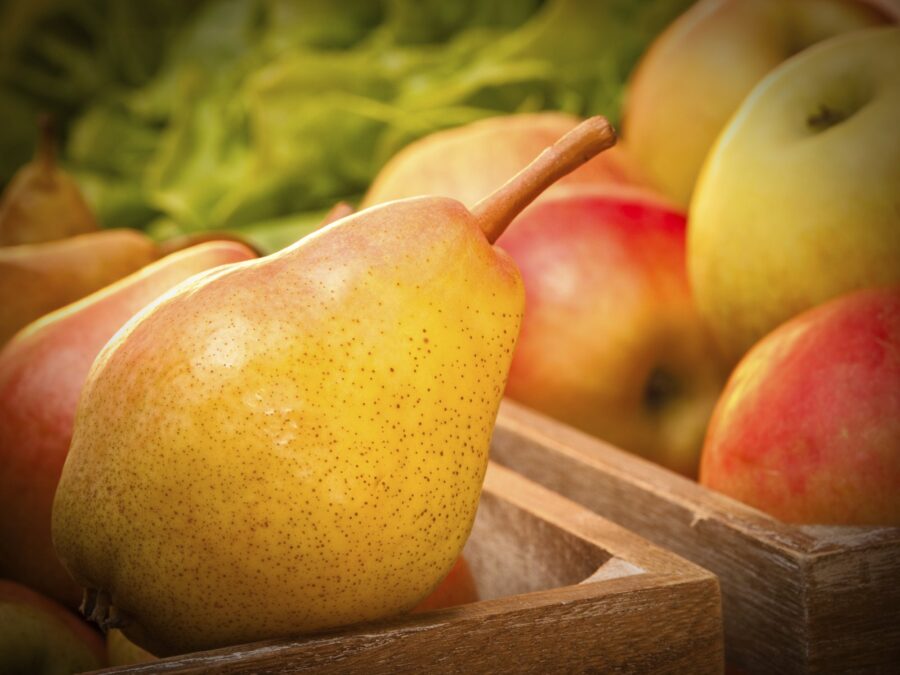
Pears: ‘Gift of the Gods’
5 Sources of Power for Powerfoods
“Before understanding the power of the foods around me, I was unhealthy, unhappy and confused. Constant visits to doctors and health food stores had little effect on my deep fatigue and constant hunger. That was 30 years ago when Western nutritional science was not as advanced as it is now.
It was the 5,000 year old Chinese herbal knowledge that made the difference for me. Using specific foods and food combinations to feed specific systems and create balance brought me back to the energy and joy I had as a teenager.
Since then I learned from all cultures. The message is always the same: Food can heal. Food can be your medicine. Food has POWER!” Randy Fritz

5 Sources of Power for Powerfoods
1. Broad chemical influences on the body.
These include:
- Alkaline-forming vs. acid-forming
- Organic vs. chemical-infused
- Raw vs. cooked
- Gluten-free vs. gluten-containing foods
- Complex carbohydrates (smart carbs) vs. simple sugars (dumb carbs)
- Whole vs. processed
Each of these factors has multiple influences on the body and a person will respond to these differences depending on their predisposition and levels of health.
Powerfoods are almost always whole but not necessarily gluten-free, raw or alkaline.
2. Specific Chemical Needs: The GAP Theory
Each food has different levels of specific nutrients. If a person has a particular need for a nutrient it will affect them greatly. Powerfoods tend to have very high levels of certain nutrients.
For example: suppose a person has a strong need for vitamin C. It is winter and she is not eating enough fruits and vegetables. An orange has vitamin C, so mandarin oranges that are popular around Christmas, have just the right chemistry to feed her immune system and prevent a cold.
3. Genetic Influences of Food
Scientists have been debating for years what is more important: your genetics given to you by your parents or your upbringing. It turns out that the two are combined. Your environment activates the expression of your genes. This is very powerful.
For example research has shown that a diet high in omega-3 fats reduces the expression of the Alzheimer’s gene APOE4. We can sidestep bad genes by eating healthy.
4. Subtle Influences of Food
Many healthy systems around the world have different ways to conceptualize health with very powerful results. Instead of interpreting food in terms of vitamins and minerals and proteins they talked about principles like heat, cold, fire, water and air, which they could directly perceive.
These principles are understandable within chemistry or physics to a degree but often the complete use of these systems relies on the idea of subtle energies that modern science has not been able to consistently measure – energies like chi and prana in food, our bodies and the environment.
These cultures have produced large numbers of remarkably healthy individuals. They picked out certain foods (powerfoods) that were particularly balancing for various needs.
5. Social and Cultural Influences of Food
Growing, preparing and eating food takes more time and energy than any other facet of man’s life. In all societies there have evolved intricate cultures around food which affect how we think, how we act and what kind of lives we will live.
Older cultures also discovered foods and combinations of foods that were particularly healthy.
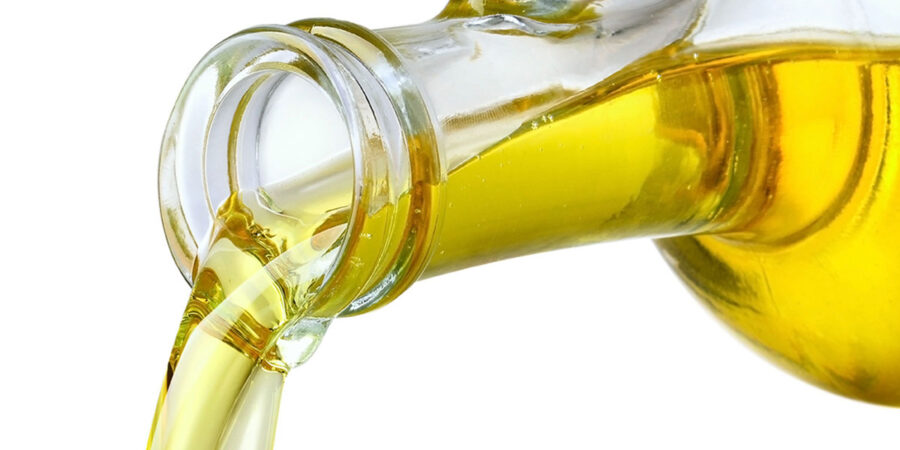
The Mediterranean diet is one example. At first nutritionists did not understand how everyone could be so healthy consuming so much oil. It turned out that mono-unsaturated olive oil has many properties that are just now being understood and appreciated. The Italians did not understand the chemistry of various levels of saturation of fats. They just knew olives grew well and over time, through trial and error, developed just the right combination of oil and tomatoes and vegetables and meats to maintain health.

How Many Powerfoods Are In Your Kitchen Right Now?
With all these factors in mind, it turns out there are many foods that can bring you greater health, if you understand their potential and use them in the best situation.
For example, strawberries (like many berries) have amazing properties but they are one of the foods that often get the most toxic sprays when growing. If you eat a case of non-organic strawberries thinking you are getting all the powerfood benefits, it may be that the overload of toxicity in your system will take away any positive influences on a chemical or subtle level.
Personally I like to keep up with all the recent research about food but I know that any single study can be deeply flawed or biased. I always try to balance what I am hearing with the finding of older health systems and cultures. My final decision for me is whether my body is attracted to a particular food at this time.
At Real Food for Life we continue to bring people’s awareness to the power of foods. We also have used vital health testing to determine which foods are suitable for an individual at this time.
Powerfoods have specific influences on the body. That’s why we say they have ‘power’.
Sign up for our newsletter so that you will be among the first to know and enjoy the benefits of these hidden gems in the supermarket when we launch our program.
Copyright © Randy Fritz You are welcome to share this article with anyone who you think may benefit from this information as long as you give credit to Real Food for Life by including the link to the home page www.RealFoodforLife.com or the direct link to this post.
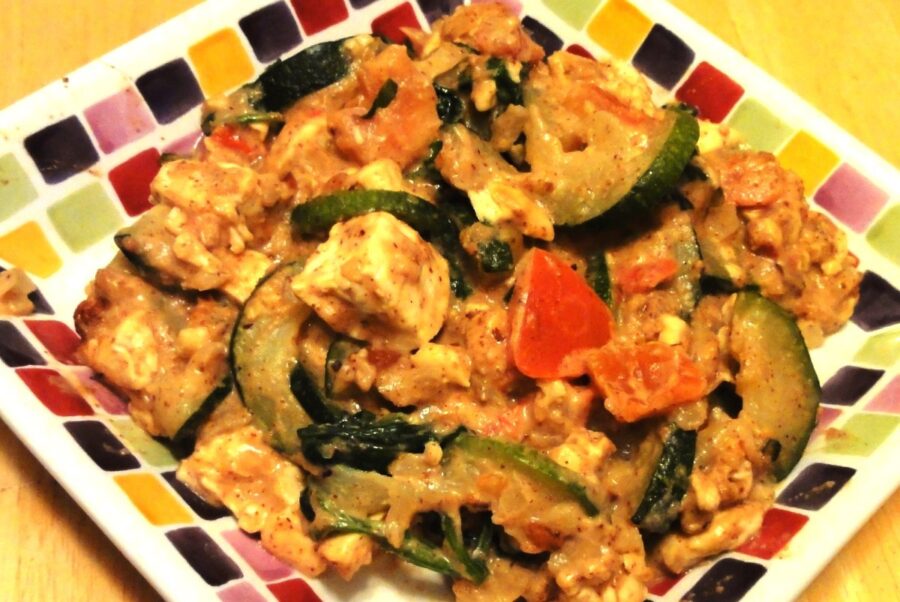
Tofu with Zucchini & Almond Cream
Quinoa a Powerfood for You
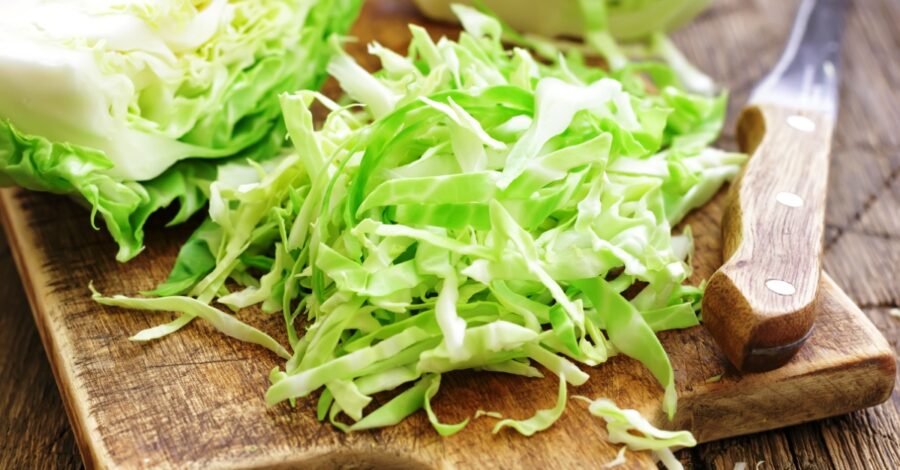
Cabbage – the Big Powerfood
Eat Cabbage for Beautiful Glowing Skin and Hair
by Diana Herrington

If you want beautiful glowing skin, and an immune system powerful enough to fight off just about anything, don’t forget this highly nutritious but common vegetable.
Cabbage is powerful. Ancient healers thought it contained moon power because it grew in the moonlight. Modern nutritional science understands its power comes from its high sulfur and vitamin C content. Either way – it’s worth adding to your weekly diet.
Cabbage Benefits:
- Ideal for weight loss because it is very low in calories and fat.
- One of the least expensive vegetables per pound for nutritional content
- High in sulfur – the beautifying mineral. (see below).
- For women cabbage is a great source of iron and calcium.
- Cabbage has 6-8 times the vitamin C content of an orange.
- The Romans used cabbage to reduce hangovers from heavy drinking.
- Sinigrin, just one of the glucosinolates in cabbage, has well-known cancer preventative properties
- Cure for headaches: used externally as a compress and internally as raw cabbage juice.
Sulfur is called “Natures Beauty Mineral”
Just sitting in sulfur hot springs for a short time can create a noticeable improvement in ones’ complexion. It helps dry up oily and acne skin since it has a drying affect. Internally sulfur is essential for keratin, a protein substance necessary for healthy hair, nails and skin. It also aids the body in resisting bacteria, assisting the immune system, and cleansing the blood.
Cabbages can also be BIG. See this picture of a prize winning cabbage over 125 pounds with leaves over 5 feet. Big Cabbage
“My mother was a great cabbage fan; she loved her coleslaw the best. She made great cabbage rolls from a recipe her best friend Mary who was Ukrainian gave her. In honour of Mom I am posting this information about this powerfood cabbage. Soon I will be posting my healthier version of coleslaw. ”
Cabbage belongs to a class of vegetables called Brassica which includes broccoli, kale, cauliflower and Brussels sprouts. They are also known as cruciferous vegetables because their flowers are cross-shaped.
Types of cabbage:
Bok Choy: A Chinese cabbage with dark green leaves and white stems. Has the highest beta carotene and vitamin A content. (see right)
Green Cabbage: the most common variety; is pale green in colour tightly compacted leaves. Top picture is typical green cabbage.
Red Cabbage: this dark purple red cabbage is similar in taste to the green cabbage but with coarser leaves. Red cabbage has almost 3,000 times more anthocyanins (an antioxidant) as green cabbage
Savoy Cabbage: is green-yellow in colour, with crinkled leaves and is less compact than the green cabbage.(see left)
Cato the Elder, a famous Roman senator and author, praised this vegetable for its medicinal properties, declaring that “It is the cabbage that surpasses all other vegetables.”
Check out this Great Recipe - Cabbage Walnut Salad
Please share your original cabbage recipe below.
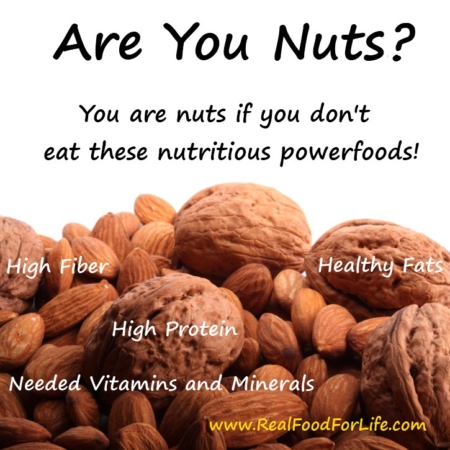
Almonds – King of Nuts
“Someone ate all the almonds!” : (
(familiar party comment around a bowl of mixed nuts)
Almonds are my favorite nut and many agree. Most mornings I add between 7 to 10 almonds to my breakfast. They tasty and nutritious.
Did you know:
- Almonds are actually stone fruits related to cherries, plums and peaches.
- Almonds are the only nut that is alkaline forming.
- Almonds are thought to have originated in western Asia and North Africa; they have been written about in many historical texts, including the Bible.
- Almonds are powerfoods.
9 Benefits of Almonds:
- Nutrient-dense.
- Packed with protein; almonds are 13 percent protein.
- One ounce (or about 23 almonds) is an excellent source of vitamin E, magnesium, fibre and protein.
- Filled with minerals such as magnesium, copper.
- Filled with B vitamins.
- Full of potassium, calcium, phosphorus and iron.
- Cholesterol-free.
- One-ounce serving of almonds contains about the same amount of antioxidants as a serving of broccoli.
- One of the best food sources of vitamin E, with about one third of the daily value per ounce.
Heart-healthy with monounsaturated fat; one-quarter cup of almonds contains about 18 grams of fat, 11 grams is heart-healthy monounsaturated fats.
According to research at the University of Toronto, eating heart-healthy foods, including almonds, can help reduce LDL, or the “bad” cholesterol levels, as much as a first-line “statin” drug.
Research at Tufts University found the flavonoids in almond skins work in synergy with the vitamin E in to protect artery walls from damage reducing the risk of heart disease.
Copyright ©Diana Herrington You are welcome to share this article with anyone who you think may benefit from this information as long as you give credit to Real Food for Life by including the link to the home page www.RealFoodforLife.com or the direct link to this post.