Posts Tagged ‘Whole foods’

Pear Hazelnut Crumble

 pear crumble 300x225 Pear Hazelnut Crumble

In the fall I picked so many pears from a friends tree that I had get creative and this is one very yummy result. Read the rest of this entry »

retweet Pear Hazelnut Crumble

Perfect Oatmeal Porridge

Oatmeal porridge has been a traditional breakfast food for hundreds of years. On a winter day there it is so warming to have a steaming bowl of porridge with raisins.  In the summer I do not cook them just soak; see my recipe below.

I like the old fashioned oats as they have a fuller flavour and are healthier.  You can eat this as a raw meal or make it into regular porridge.  As they take longer to cook I often soak them over night but you do not have to.

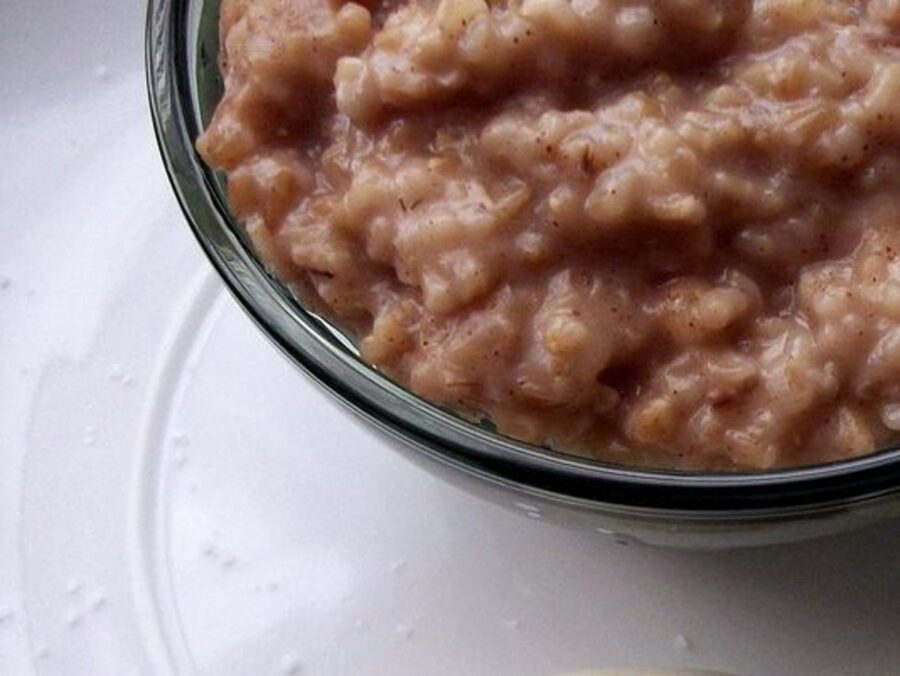
oatmeal photo by House of Sims at flickr Perfect Oatmeal Porridge

Oatmeal & Sultanas

Ingredients:
1/3 cup old fashioned oats (rolled oats can be used)
1 cup water
2 Tablespoons sultanas
Pinch of salt Read the rest of this entry »

retweet Perfect Oatmeal Porridge

Onions are Powerfoods

Onions for Better Health says WHO

Onions are full of protective phytonutrients, vitamins, trace minerals, quercetin (an important flavonoid), chromium, and unique anti-inflammatory nutrients.
 
 DSCN2025 300x225 Onions are Powerfoods
 
“An onion can make people cry, but there has never been a vegetable invented to make them laugh.” ~ Will Rogers
 

Onions are:

  • Low in Saturated Fat, Sodium, and Cholesterol.
  • High in Vitamin C, Dietary Fiber, Vitamin B6, Folate and Manganese.
  • The nutritional value of onions make them ideal for weight loss and maintaining optimum health.

Health Benefits of Onions:

  • Early American settlers used wild onions to treat colds, coughs, and asthma, and to repel insects.
  • In Chinese medicine, onions have been used to treat angina, coughs, bacterial infections, and breathing problems.

According to the Journal of Chemical and Pharmaceutical Research

  • WHO recognizes that onions help relieve symptoms such as coughs, congestion & respiratory infections.
  • Sugar and onion-juice form a syrup, much used in domestic practice, for cough and other affections of the air-tubes among children.

Green Onion as Alternative Medicine: 

  • It is mainly used as a traditional medicine for common cold.
  • It stimulates the respiratory tract and helps in expelling sputum (phlegm).
The onion also is a proven antioxidant and may be helpful in treating certain cancers.
 For the full report: onion
 
Copyright © Diana Herrington  You are welcome to share this article with anyone who you think may benefit from this information as long as you give credit to Real Food for Life by including the link to the home page www.RealFoodforLife.com  or the direct link to this post.
retweet Onions are Powerfoods

Eating Green, Clean and Lean E-book

7 Health Principles to Simplify & Balance Your Life! 'Eating Green, Clean and Lean' cuts through the confusion, by starting you in the right direction with clear, simple health PRINCIPLES. Read the rest of this entry »

Diana reveals some of her difficult health story….

Eating Green, Clean and Lean E-book will focus on the 7 principles of health. Principle #1 - Eat Real Whole Food Diana’s health decline began early in life as she was often fed junk food as a child. She only recognized that fact after many years of suffering mysterious health challenges through most of her adult life. Read the rest of this entry »

Is Your Protein Powder Toxic?

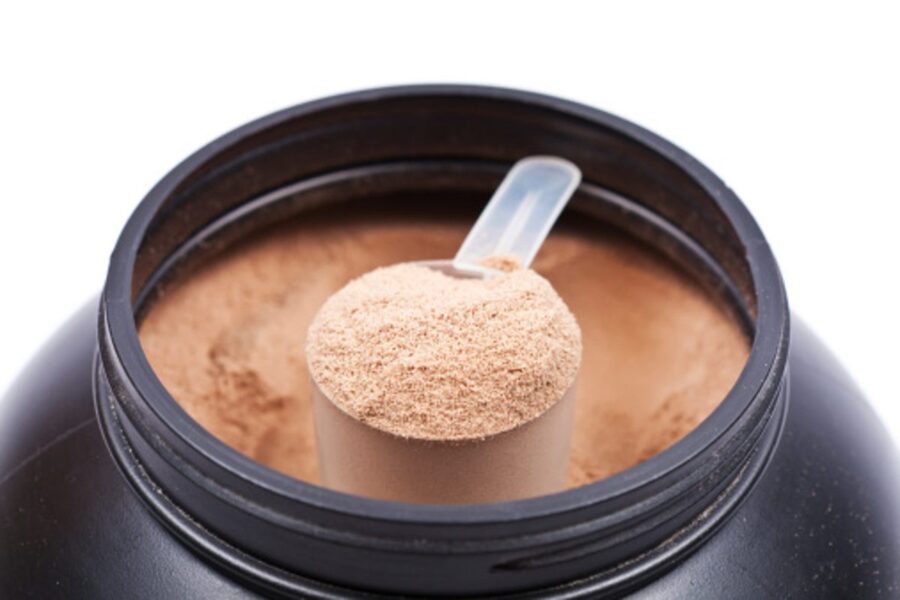
Consumer Reports Sounds the Alarm! protein shake 200x300 Is Your Protein Powder Toxic?
 

Consumer Reports, one of the most trusted guides for buying reputable products, has found heavy metals in protein supplements and is warning you to use caution.


Officials for Consumer Reports say they purchased 15 protein powders and drinks mainly in the New York metro area or online and tested multiple samples of each for arsenic, cadmium, lead and mercury.


The results were very disturbing, considering how many people consume these highly processed food products and how MUCH they consume per day.


The results showed a considerable range, but levels in three products were of particular concern because they exceeded the daily exposure limits proposed by USP for arsenic, cadmium or lead. This is if you assume 3 servings per day which is the average for most consumers. Some eat more and some eat less. For many products, levels of those contaminants were in the ‘low to moderate range.’

Personally I would not find even low to moderate exposure acceptable considering how many other toxic products we find in our environment. We have enough health considerations just dealing with life without wondering about a product we specifically consume for health or fitness!


Cadmium exposure is particularly scary
because it accumulates in and can damage the kidneys, the same organs that can be damaged by excessive protein consumption. It can take 20 years for the body to eliminate even half the cadmium absorbed today. 


Imagine what will happen to the large group of teenagers and twenty-somethings wanting to ‘bulk up’ today.  They are the ones who eat a LOT of these products and who may be in for a very unpleasant surprise some time from now.

 
“This (Cadmium) is a highly toxic metal, and while there are some cases where decisions have to be weighed against relative risks, accepting that you have to be exposed to any cadmium at all in your protein drink after your workout is definitely not one of them.”
says Michael Harbut, M.D., director of the Environmental Cancer Initiative at the Karmanos Cancer Institute in Royal Oak, Mich.


Even some plant sources can contain cadmium.  This is because of the heavy use of cadmium-containing phosphate fertilizers in commercial farming. Potatoes, rice, sunflower seeds, spinach and other leafy greens are susceptible, but this is not a problem if you are eating organic.


Below is the average finding for three serving of the protein drinks.

protein powder findings Is Your Protein Powder Toxic?
You can see that Muscle Milk and EAS were the most toxic brands while the whey products faired better than the rest generally. This is just a small sampling of products.  The protein powder you buy from the store may be better, but it also may be worse.

You can read the complete findings (5 pages) at Consumer Reports.


Why Bother?


Many health experts argue that very few people need high quantities of protein to begin with, and Consumer Reports points out  there are many protein sources from the grocery store which can supply all the protein you need that are NOT toxic.


Protein is essential in the body for our muscles but is also necessary for most cell functions since it makes up enzymes, hormones and even DNA.  Most protein is recycled, so unless you are growing rapidly or are breaking down the body with extreme physical exertion, there is no need for a LOT of new protein. Very few people in North America are protein deficient.

 
At Real Food for Life, we like to remind everyone that you can get all your protein requirements from whole real foods. Every single whole plant food has protein.


Beans, grains, seeds and sprouts have high levels of proteins, but fruits like oranges, bananas and even watermelons have complete protein. You just have to eat more of those foods which have lower levels.  In North America, most people are generally eating a LOT of food.   If that food was whole food, there is an abundance of ALL NUTRIENTS.


Copyright © Randy Fritz You are welcome to share this article with anyone who you think may benefit from this information as long as you give credit to Real Food for Life by including the link to the home page ww.RealFoodforLife.com  or the direct link to this post.

retweet Is Your Protein Powder Toxic?